The moment that passes
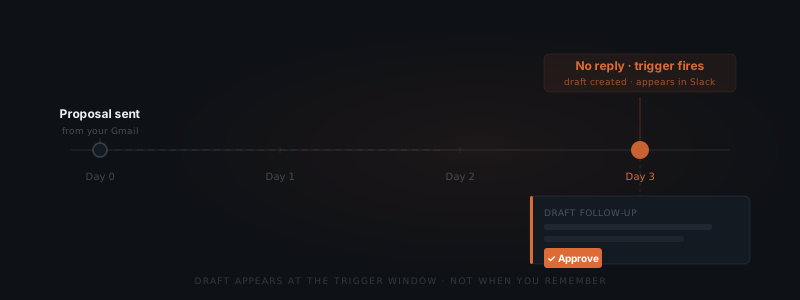
A proposal goes out. Three days pass with no reply. That is the moment to follow up — while the proposal is still being considered, while the conversation is still warm. Most of the time that moment passes. The week fills up. A reminder gets set and ignored.
A reminder is another item on a list that can be ignored. A draft that appears at the right moment, ready to send with one click, is something you act on. The path of least resistance becomes following up rather than not following up.
OpenClaw monitors open threads and drafts the follow-up at the configured trigger point — not a generic reminder, but an actual email ready to send. You approve or skip. If you skip, the draft logs as deferred. Nothing is lost quietly.
What gets tracked, and when
| Follow-up type | Default trigger | Cancelled if |
|---|---|---|
| Proposal follow-up | 3 business days after sending | Reply received |
| Contract follow-up | 5 business days after sending | Reply received |
| Post-meeting summary | Same day or next morning | — |
| Client decision pending | Configurable window | Decision received |
| Outstanding deliverable review | 2 business days after sending | Feedback received |
Each window is set during configuration and can be adjusted per relationship. A larger client might get a longer window. A warm prospect might get a shorter one.
A draft, not a reminder
The difference between a reminder and a draft is where the effort happens. A reminder says "you need to follow up on this." A draft says "here is the follow-up — do you want to send it?" The friction of starting from scratch is removed.
The draft is already written. The only decision left is whether to send it.
OpenClaw drafts each follow-up using the full thread context. It knows what was said. It knows if this is the first follow-up or the second. It does not produce a generic nudge — it produces a continuation of the specific conversation.
Follow-ups that stop when they should
When a reply arrives, OpenClaw cancels any active follow-up drafts for that thread. If you are in the middle of a four-email sequence and the other person responds after email two, emails three and four are cancelled automatically. Nothing lands in an active conversation.
This matters more than it sounds. A follow-up that arrives after the person has already replied looks like an automation failure. Stopping the sequence at the right point is what makes the system feel like a thoughtful assistant rather than a mechanical process.
Meeting follow-ups on the day
Post-meeting emails are easy to intend and hard to write. You finish a call with a clear agreement on next steps and the best of intentions to send a summary — then three other things happen and it is end of day.
OpenClaw drafts the follow-up as soon as you signal the meeting ended — either by logging it conversationally or via a calendar trigger. The draft includes what was discussed, what was agreed, and what the next step is. You review, adjust if anything is off, and approve. The summary goes out the same day, while the meeting is still fresh for the other person.
The compounding value of consistent follow-up
A business where every proposal gets followed up, every contract gets chased, and every meeting produces a same-day summary closes faster and looks more professional. The individual emails are small. The pattern they create is not.
OpenClaw makes the consistent behaviour the default rather than the exception — because the effort to maintain it has been reduced to reviewing a draft.