The founder posting backlog
Every founder who has stopped posting consistently knows the pattern. The observation on a client call that was worth sharing. The thing that surprised them in a numbers review. The mistake they made that others would benefit from hearing about. None of these ideas are hard to have. All of them are hard to draft.
The problem is not a shortage of content. The problem is the gap between having something worth saying and having a finished post. Drafting a LinkedIn post from scratch takes 20 to 40 minutes — the framing, the hook, the line breaks, the edit pass. That time is easy to keep postponing.
Founders who post fewer than once a week almost always have more ideas than posts. The ideas are not the bottleneck. The drafting step is.
How OpenClaw captures the idea and builds the draft
OpenClaw works from whatever the founder sends to a designated Slack channel: a voice note, a few sentences of context, a bullet list of observations, a link with a single line of explanation. The input does not have to be polished.
OpenClaw builds a complete post draft from the raw input: an opening line that earns a pause, a body that develops the idea, and a closing line that gives the reader something to act on or sit with. The draft matches the tone and voice defined during the initial setup — calibrated against examples of posts the founder has written or liked.
Reconfiguring the tone takes one message to OpenClaw. The voice is not fixed at setup.
Platform formatting for LinkedIn and X
The same idea formats differently depending on where it lands. A LinkedIn post needs a hook in the first line that survives the "see more" cut, paragraph breaks that create visual breathing room, and a close that invites reflection rather than a click. An X post needs compression — the idea in fewer characters, or a thread structure if the idea needs more space.
OpenClaw drafts the post for the platform the founder specifies. Sending the same note to two platform channels produces two differently formatted drafts from the same input.
A founder who wants to cross-post the same idea to LinkedIn and an X thread sends one note. OpenClaw returns two drafts, each adapted to the conventions of the platform where it will land.
The approval queue for posts
OpenClaw does not post to LinkedIn or X directly. Every draft surfaces in the Slack approvals channel — the founder reads the full post, edits if needed, and approves before the content reaches any platform. The approval step is not optional and cannot be bypassed.
The approval card shows the platform, the full post text, and the source input the draft was built from. The founder approves the draft as written, edits it, or dismisses it. Dismissed drafts are logged — they do not disappear and can be returned to if the idea is worth revisiting.
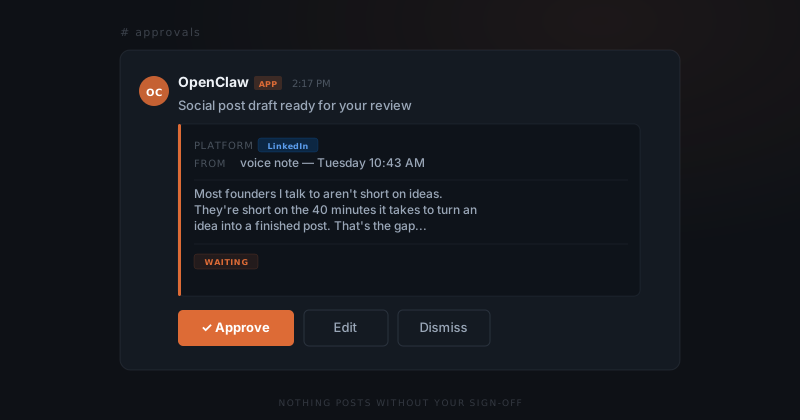
You had the idea on Tuesday. Without a draft, it was gone by Friday.
The approval queue also functions as an editorial buffer. A draft that looks right on Wednesday sometimes reads differently on Thursday after a night's distance. The queue gives the founder that window without adding friction to the process.
What consistent posting produces over 90 days
A founder who moves from posting once a month to three times a week produces a visible signal. Contacts who had forgotten the business are reminded of it. Prospects evaluating options encounter a body of work. Referral partners who send introductions have something to reference when they make the case.
The effect compounds over months, not weeks. Founders who maintain a regular cadence for 90 days report more inbound conversations from their existing network — warm enquiries that arrive without a cold outreach campaign behind them.
OpenClaw removes the bottleneck that prevented the posting from happening in the first place. The drafting step that kept getting postponed no longer requires the founder's full attention. Reviewing a draft takes three minutes. Writing the same post from scratch takes forty.